









Expanding Access Without Replacing Community
Beautiful Minds helps young people throughout New Jersey easily access mental health services by embedding in their schools without replacing the pre-existing counselors.
The mental health of youth, children and their families is incredibly important, impacting everything from their home and social life, academic success, safety, and emotional and behavioral wellbeing.
One of the organizations that aims to help improve the behavioral health of young people is Beautiful Minds, which serves communities throughout New Jersey, Pennsylvania and Florida through a range of out-patient, in-home and group therapies, as well as more specialized, evidence-based therapies for various problematic behaviors teens may exhibit.
In New Jersey alone the organization serves 17 of the state’s 21 total counties with their range of programs, which also include telehealth and hybrid options to best help as many people as they can possibly reach.
While a wide spectrum of forms of therapy are offered, for a number of reasons they may not always be accessible to the young people who need them most.
To aid in getting help to those who need it, Beautiful Minds has a number of school-based behavioral health partnerships, bringing behavioral healthcare to public school districts where students are able to access support easily, offering more opportunities to be proactive and allow for early intervention.
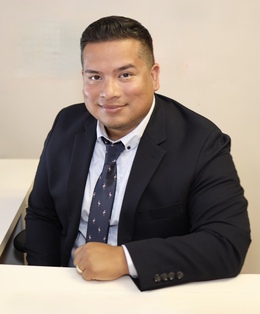
“Beautiful Minds partners with school districts as an embedded clinical partner, not a replacement for existing staff. We integrate directly into the school environment to expand capacity and provide a full continuum of services which ranges from prevention and early intervention to targeted individual and group support, while working with counselors, SAC teams, SEL teams, Child Study Teams, and administrators,” says Jonathan Rivera, one of the organization’s intensive in-community therapists.
This process helps to streamline services, decrease delays, increase students’ access to timely and consistent mental health services based out of their schools and strengthen coordination and communication outside of and within the school, all while also decreasing the number of disciplinary actions, escalations in crisis events and placements out of district.
“By embedding our clinicians and services within schools, we make high quality mental health support immediately accessible during the school day. This approach increases early intervention, improves coordination between school, home, and community, and delivers measurable benefits. … Ultimately, we are building sustainable partnerships that strengthen the entire system so every student can thrive both in and out of the classroom,” says Rivera.
In order to achieve this goal of operating as an integrating clinical partner, the organization has had to establish a vast array of infrastructure to properly give the communities they serve the proper support they need to be beneficial, effective and efficient.
“Schools are uniquely positioned to support students’ mental health needs because children and adolescents spend approximately 60–70% of their waking week within the school environment. This consistent daily access allows schools to observe changes in behavior, emotional functioning, peer relationships, academic performance, and overall well-being in real time. Unlike traditional outpatient settings that may involve waitlists, transportation barriers, or inconsistent attendance, schools provide a natural and accessible setting for early identification, prevention, intervention, and ongoing support,” says Jeffrey Cox, MS, director of clinical services for Beautiful Minds.
The agency currently has over 100 providers, with these including both licensed clinicians and professionals that have completed advanced training and/ or have specialized certifications.
The number of different programs and forms of therapy Beautiful Minds offers also serves as an important aspect of the pre-existing resources the organization already has in place that support their school partnerships. Offering cognitive behavioral therapy, family-centered interventions, trauma-informed care, motivational interviewing and behavioral therapies gives them the ability to best address any number of student needs.
“In addition to direct clinical services, Beautiful Minds already works within systems involving IEP [Individualized Education Program] planning, HIB [Harrassment, Intimidation, and Bullying]-related concerns, SAC [School Advisory Counselor] referrals, classroom behavioral supports, case management, and family collaboration. Our organization has years of experience coordinating with schools, families, and outside providers to reduce service gaps and improve consistency across environments,” says Cox.
Their program for establishing integrated clinical partners in schools is especially important now, as the state plans to overhaul the current NJ4S or New Jersey Statewide Student Support Services) program, which provides free, in-school mental health counseling, wellness resources and education to K-12 students.
“The state’s overhaul of NJ4S was important because it recognized that New Jersey needed a more coordinated and scalable approach to student behavioral health support. The NJ4S model was an important starting point in expanding awareness and access, but the ongoing conversation across education and behavioral health systems reflects the need for even more integrated, school-centered approaches that align closely with the operational realities schools face every day,” says Cox.
Beautiful Minds’ programs paired with the overhaul of New Jersey’s pre-existing system both offer students in the state the best chance to get access to the resources they need to live healthy and successful lives.
“Ultimately, we are building sustainable partnerships that strengthen the entire system so every student can thrive both in and out of the classroom,” says Rivera.
Beautiful Minds
Sicklerville
(609) 350-5007